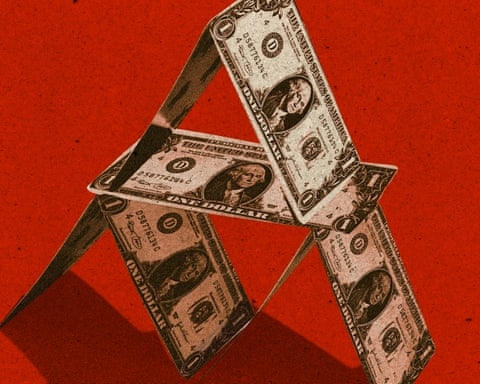
A core economic advisor to the current administration is promoting a radical idea: that the U.S. dollar’s dominant role in the world is more of a burden than a benefit. This perspective suggests that the dollar’s strength is a primary cause of America’s persistent trade deficit, and that a weaker currency could help rebalance international trade.
This view, however, represents a profound misunderstanding of global finance. The dollar’s status as the world’s premier reserve currency is not an anchor dragging the economy down, but the foundation of its unparalleled financial power and stability.
For decades, the global demand for U.S. Treasury bonds, seen as the ultimate safe asset, has allowed the federal government to finance its substantial debt at remarkably low interest rates. This “exorbitant privilege,” as it was once famously called, means America can borrow cheaply while earning more on its overseas investments than foreigners earn on their holdings in the U.S. Undermining the dollar would jeopardize this entire system, forcing the government to pay significantly more to service its debt and likely widening, not closing, the nation’s financial imbalances.
Beyond America’s borders, the dollar serves as a critical anchor. Approximately two-thirds of the world’s economies informally peg their currencies to the dollar, using it as a buffer against global economic turbulence. Because the U.S. is such a massive consumer, the dollar’s value directly influences the price of internationally traded goods. Holding dollars provides other nations with a hedge against these price shocks.
Recent policy moves, however, are actively eroding this vital function. New tariffs and trade barriers are reducing America’s import volume, which in turn weakens the link between the dollar’s value and global commodity prices. As one economist notes, by shrinking its footprint in world trade, America is inadvertently diminishing the dollar’s utility as a global safety net. This gives other countries and international investors less reason to hold dollar assets.
The signs of strain are already visible. While the dollar still comprises about 58% of global foreign exchange reserves, this share has steadily declined from over 70% at the start of the century. In recent months, some developing nations have begun shifting portions of their debt away from dollars toward currencies with lower interest rates. A single day of market turmoil last spring offered a stark preview: when new tariffs were announced, U.S. stocks, bonds, and the dollar all fell simultaneously—a break from the historical pattern where the dollar typically strengthens during times of global uncertainty.
The pursuit of a cheaper dollar to narrow the trade deficit is a dangerous gamble. The immediate cheer for a potentially smaller trade gap would be drowned out by the long-term consequences: diminished global influence, the loss of a primary tool for economic statecraft, and a far more costly burden of national debt. While other currencies like the euro may gain some ground, the world would lose its most reliable financial shock absorber, making economic insurance more expensive for everyone.
Ultimately, discarding the dollar’s reserve status would be an act of economic self-sabotage, trading a position of unique strength for a fleeting and Pyrrhic victory.