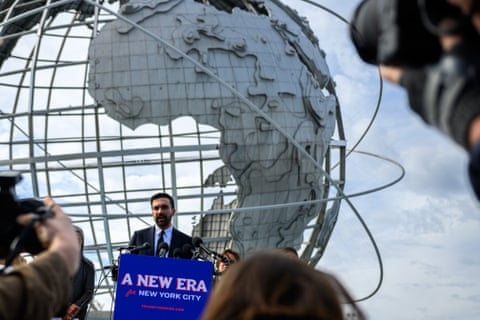
The election of a new mayor in New York City, propelled by a platform of sweeping social reforms, has shifted the political conversation toward a pressing question of governance: how to pay for it.
The mayor-elect’s agenda, which includes initiatives like fare-free public transit, universal childcare, and a major expansion of affordable housing, represents a significant shift in municipal priorities. These proposals aim to address the city’s acute affordability crisis but come with substantial price tags, setting the stage for complex budgetary and political negotiations.
A primary challenge lies in the city’s fiscal structure. New York City does not have full autonomy over its revenue. Key tax changes, including adjustments to corporate or personal income taxes, require approval from the state legislature in Albany. This dynamic has historically constrained city leaders, with past disagreements between city hall and state lawmakers stalling even minor revenue measures.
The political landscape in Albany adds another layer. While the governor has expressed opposition to certain tax increases, there is broad support among legislative Democrats for addressing core issues like the childcare cost burden. Analysts suggest this creates a potential pathway for negotiation, where popular spending programs could be paired with targeted revenue measures, making them more palatable to moderate lawmakers.
Funding the agenda is expected to draw from multiple streams. Proposals center on increasing taxes on high corporate profits and top-tier personal incomes—policies supported by research indicating such moves do not trigger widespread flight of wealth or business. The estimated billions in potential revenue would then be directed toward the new programs.
Other elements of the platform present different financial pictures. For instance, implementing a rent freeze for regulated apartments involves minimal direct cost but requires control of the relevant oversight board. Similarly, the estimated cost for a fare-free bus system could potentially be absorbed within the city’s existing $116 billion budget through a re-prioritization of spending.
The most ambitious item—a multi-decade plan to build hundreds of thousands of affordable housing units—represents the largest fiscal undertaking. Critics highlight the massive debt required, but proponents argue the plan is structured over the long term, with debt issued in stages and projects designed to generate their own revenue streams, mitigating the immediate burden.
Ultimately, the implementation of this agenda will be a test of political will and compromise. Observers anticipate that final legislation will likely differ from campaign proposals, as the realities of the state budget process necessitate negotiation. The governor’s spending goals may also require a reassessment of revenue options. The coming months will determine how a platform defined by bold promises translates into actionable policy amid the intricate realities of New York’s fiscal and political architecture.