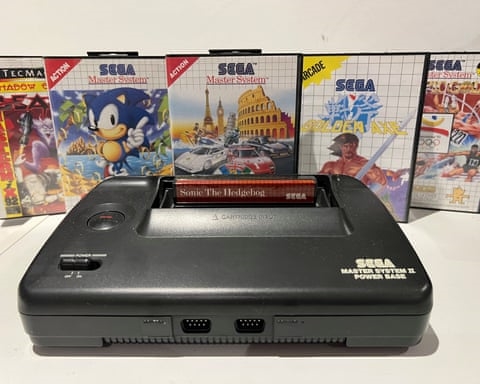
While many remember the 1980s as the era when Nintendo’s iconic console became synonymous with home gaming, a different story unfolded across Europe. There, a technically advanced rival from Sega not only competed but often dominated, offering a glimpse into a more arcade-inspired future for living rooms.
Launched in Japan in 1985 before being rebranded for Western markets, the Master System was built on robust hardware. Its architecture, centered on a capable Z80 processor and a custom graphics chip, provided developers with powerful tools for creating fast, colorful, and visually smooth games. This technical edge allowed it to stand apart from competitors that relied on older technology.
Sega’s strategy in Europe proved decisive. Rather than navigating the complex market alone, the company partnered with established local distributors who understood regional retail landscapes and youth culture. Marketing campaigns were tailored not as broad family entertainment, but as cutting-edge tech for teenagers—a demographic whose enthusiasm would influence entire households. This grassroots approach, including touring promotional buses, created a palpable buzz that resonated deeply.
A key advantage was Sega’s rich arcade heritage. The Master System became a conduit for bringing the experience of hit coin-operated games home. Titles like OutRun, Space Harrier, and After Burner, while not perfect replicas, delivered an unprecedented sense of speed and graphical flair for the time. For a generation of players, it truly felt like having an arcade cabinet in the living room.
Developers, particularly in the UK, found the system both powerful and accessible. The familiar Z80 architecture lowered the barrier to entry, while the dedicated graphics hardware freed up processing power for more ambitious designs. Sega fostered this relationship, even inviting European programmers to Japan for direct training—a level of support that helped cultivate a strong and creative software library.
Beyond ports and arcade adaptations, the Master System cultivated its own legacy of classic titles. From the expansive adventure of Phantasy Star to the charming platforming of Alex Kidd in Miracle World and Wonder Boy III: The Dragon’s Trap, the console hosted original experiences that remain highly regarded. For modern enthusiasts, these games often represent a more accessible entry into classic collecting compared to their Nintendo counterparts.
Although its successor, the Mega Drive, would later capture global attention, the Master System’s success in Europe and other markets like Brazil laid a crucial foundation. It demonstrated a viable alternative path in the console wars, one built on technical prowess, savvy local partnerships, and a direct line from the arcade to the home. Forty years on, it is remembered not as a footnote, but as a pioneering platform that shaped gaming for millions outside Nintendo’s shadow.