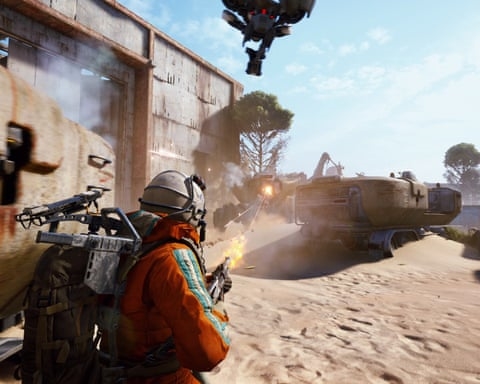
A new multiplayer shooter has become an unexpected sensation, praised for its tense, cooperative gameplay where players must decide whether to trust each other in a world overrun by machines. Yet, this very game is now at the center of a fierce industry debate, not for its design, but for its use of artificial intelligence.
The controversy stems from the game’s use of AI-generated voice lines, created by training software on the performances of real actors. For many critics, this practice crosses an ethical line, seen as a disrespectful appropriation of human artistry. One prominent reviewer stated the game’s celebration of human cooperation felt deeply ironic when it utilized technology that, in their view, dismantled and reassembled human expression digitally.
This issue is rapidly becoming a flashpoint. The use of generative AI in game development—for art, writing, or voice acting—is increasingly met with skepticism and distaste from a vocal segment of players. Recent backlash against a major franchise for allegedly using AI-generated art underscores the growing sentiment. While some argue AI tools can help smaller studios achieve more, critics counter that when billion-dollar companies adopt them, it looks less like innovation and more like cost-cutting at the expense of creative professionals.
For many game developers, writers, and performers, the spread of this technology represents an existential threat. There is a palpable fear that corporate leadership views AI as a way to replace expensive human talent with faster, cheaper, albeit often inferior, machine-generated alternatives. This tension is evident in studios where employees are mandated to use internal AI tools or where corporate strategy explicitly prioritizes AI development, sometimes alongside workforce reductions.
The defense of AI in games often comes not from players or working developers, but from industry executives. One high-profile CEO recently argued that AI could “transform gaming” by creating infinite, dynamic dialogue, framing it as an evolution. This vision of a future filled with procedurally generated conversation is, for many, a dystopian prospect. They argue that audiences connect with stories and performances precisely because they are crafted by humans with intent and understanding, not algorithms predicting engagement.
The gaming industry has often served as an early indicator of broader cultural and technological shifts. The rapid rise and fall of blockchain-based games, the corporate chase of the “metaverse” long after gamers built virtual communities, and the way online harassment campaigns have mirrored wider political tactics all suggest that the current battle over AI’s role is a harbinger of debates to come.
At its core, the conflict reflects a familiar struggle between the creators and the corporations that profit from their work. Players are now faced with a new question: should a game that uses machine-generated assets command the same price and respect as one built entirely by human hands? The community is actively drawing new lines, deciding which uses of AI are acceptable and which undermine the very artistry they value.
In Other Gaming News:
A new narrative game casts players as a psychically gifted infant, using webcam eye-tracking for a unique and emotionally resonant experience.
The first image from the upcoming Legend of Zelda film adaptation has been released, offering a first look at its lead actors.
Nominations for a major annual awards show have been announced, even as the event faces criticism for discontinuing a program meant to support new developers.
A famously canceled live-service shooter has seen a fan-led revival, though its publisher is actively issuing takedown notices for related online content.
Question of the Week:
A reader asks: is there a video game world you could imagine living in?
For this writer, the answer once was the richly detailed, manageable province of The Elder Scrolls IV: Oblivion. It offered a complete, conquerable fantasy life—towns, people, magic, and mystery—all contained within a scale that felt comforting, not overwhelming. Many expansive worlds, from desolate fantasy kingdoms to vast, lonely space simulators, feel too dangerous, too chaotic, or simply too empty to call home. The appeal lies not in infinite size, but in curated depth.
We pose the question to you: which virtual universe would you choose to inhabit?