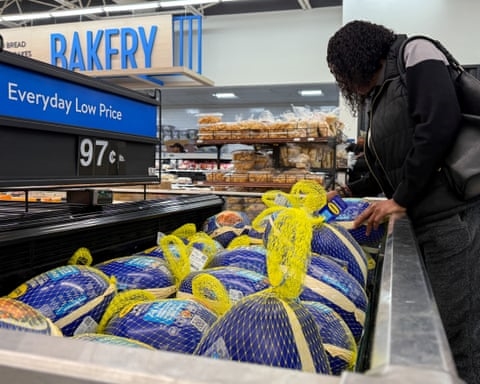
As families across the nation prepare their holiday feasts, the cost of the Thanksgiving meal has become a focal point in the broader discussion about household budgets and inflation. While some political figures point to retailer promotions as evidence of easing prices, economists caution that the reality for shoppers is nuanced and varies widely.
Recent advertisements from major chains, highlighting budget-friendly Thanksgiving baskets, have been cited as proof of declining grocery costs. However, financial analysts note that these promotional offers tell only part of the story. The final tally on a receipt depends heavily on shopping habits, brand choices, and specific store strategies.
“The price of your Thanksgiving dinner is not a single number,” explained one agricultural economist. “It swings based on what you buy and where you buy it. Some may find deals, while others will encounter higher costs than expected.”
Industry reports present conflicting data. One analysis suggests a modest decrease of 2-3% for a standard menu, particularly for those opting for store-brand items. Conversely, another study indicates an overall increase of nearly 10% this year, especially for shoppers preferring national brands.
This discrepancy stems from complex pricing dynamics during the holiday season. Grocery stores engage in fierce competition, often using traditional centerpiece items like turkey as “loss leaders”—products sold at a loss to attract customers who will then purchase other, higher-margin goods.
“When budgets are tight, consumers are highly focused on value,” noted a food economics professor. “Retailers know that advertising a very low price on a whole turkey is one of the most powerful ways to signal affordability and draw people into the store.”
The composition of some promoted meal bundles has also shifted this year. Comparisons reveal that certain baskets are smaller or contain more private-label items than in previous seasons. Analysts link some product substitutions, such as swapping canned goods for fresh alternatives, to broader economic pressures, including tariffs on materials like aluminum and steel. These policies have contributed to significant price increases for canned and packaged goods, with some items seeing jumps of over 20%.
Experts warn that the impact of such trade policies may extend further. The food supply chain relies heavily on equipment and machinery made from imported metals. Future replacement costs for this infrastructure could exert additional upward pressure on food prices down the line.
Beyond policy, other factors are at play. Climate-related disruptions, including droughts and crop diseases, continue to affect supplies and prices for items like beef and citrus.
For now, the intense promotional activity around the holiday provides some relief. Yet, economists emphasize that many consumers are reacting to the cumulative effect of years of price increases, with food costs remaining significantly higher than they were half a decade ago.
The central question, as the holiday season progresses, is what happens after the Thanksgiving sales end. The level of uncertainty remains high, leaving shoppers to navigate a complex and volatile landscape for the foreseeable future.