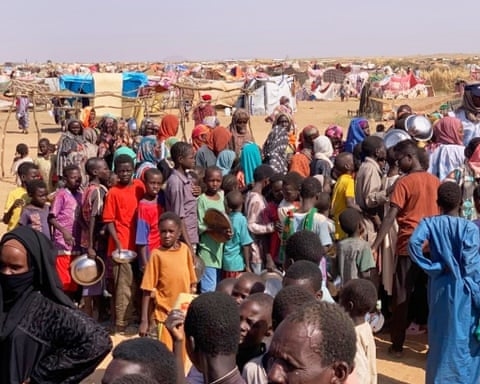
A new wave of displacement is unfolding in Sudan, with tens of thousands of civilians forced to abandon their homes following a major shift in the country’s ongoing civil war.
According to the latest figures from the United Nations, more than 36,000 people have fled areas in North Kordofan state over a recent five-day period. This mass exodus comes in the wake of a significant military development: the capture of the strategic city of El Fasher by the paramilitary Rapid Support Forces (RSF) last week.
The displaced populations, many traveling on foot, are reportedly heading towards the town of Tawila, west of El Fasher. This destination is already under severe strain, sheltering over 650,000 people who had previously been uprooted by the conflict. The movement signals a dangerous expansion of the fighting beyond the Darfur region into central Sudan, threatening a key corridor between Darfur and the capital, Khartoum.
Eyewitness accounts from North Kordofan describe a sharp increase in military activity, with both the Sudanese Armed Forces and the RSF reinforcing their positions. The focus of the confrontation appears to be El Obeid, the state capital and a critical logistical hub. Residents report growing fear, with many too afraid to tend to their farms due to the threat of imminent clashes.
International observers have expressed grave concern over the situation. Reports from the ground warn of potential large-scale atrocities and ethnically motivated violence, patterns alarmingly similar to those documented in Darfur. There have been renewed calls from global leaders for an immediate ceasefire and the establishment of secure humanitarian corridors to allow aid to reach civilians trapped by the fighting.
The Sudanese government has leveled accusations of war crimes against the RSF and stated it will not enter negotiations with the group, instead urging the international community to classify it as a terrorist organization. As diplomatic efforts continue, the immediate reality for civilians remains one of flight and fear, with the humanitarian crisis deepening by the day.