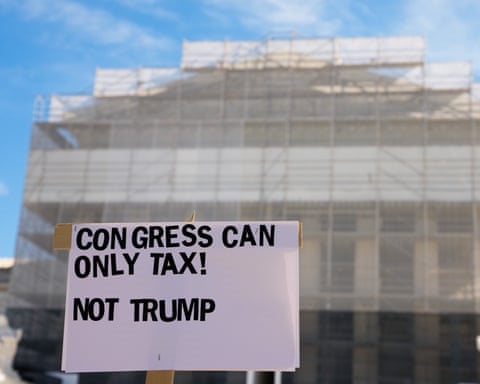
The U.S. Supreme Court heard arguments Wednesday in a landmark case that challenges the legal foundation of the executive branch’s expansive tariff regime. The central question before the justices is whether the president possesses the unilateral authority to impose such measures, which opponents argue constitute taxes that only Congress can levy.
The administration’s defense rested on a nuanced distinction, with its attorney arguing before the court that the tariffs in question are “regulatory” tools, not revenue-raising measures, even as they generate hundreds of billions of dollars for the Treasury. This characterization was met with immediate skepticism from justices across the ideological spectrum.
“You want to say tariffs are not taxes,” remarked one justice. “But that’s exactly what they are.”
The legal challenge stems from the administration’s use of a decades-old emergency powers law to implement tariffs without congressional approval. A lower court previously ruled that this statute does not grant the president “the power to tax,” setting the stage for the high-stakes appeal.
Business interests and several states have united in the lawsuit, framing it as a critical check on executive overreach and a defense of congressional authority. A representative for one of the plaintiff companies stated the case is fundamentally about “who sets taxes – and how – across the U.S.,” adding that they were unwilling to let “a single politician decide our fate.”
During the hearing, the chief justice noted the core constitutional issue, observing that the policy’s mechanism is “the imposition of taxes on Americans, and that has always been a core power of Congress.”
The political and economic stakes of the case are immense, with the administration framing its trade policy as essential to national prosperity. However, many business owners contend the abrupt imposition of steep costs on imports has jeopardized their operations.
While the justices have committed to an expedited ruling, their questioning suggested significant doubts about the government’s legal position. The decision will determine not only the future of a flagship economic policy but also define the boundaries of presidential power in setting trade and fiscal policy.