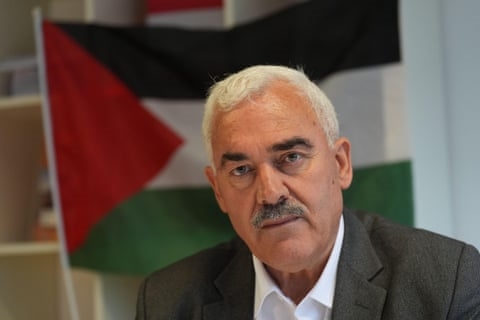
A prominent Palestinian human rights organization is facing severe operational challenges after being targeted by U.S. sanctions, a move its leadership describes as a political attack designed to silence advocacy. The group, based in the West Bank, has seen its financial lifelines severed and its international partnerships strained.
Since the sanctions were imposed, the organization’s bank accounts have been frozen, leaving staff to work without pay. Major digital platforms have removed its content, and longstanding American partners have withdrawn support, fearing legal repercussions. The director of the group expressed profound disappointment at what he called the “silence” from former allies in the human rights community.
“The intention is to isolate and cripple any voice demanding accountability and justice,” the director stated. He called on international civil society to demonstrate greater solidarity and resistance against what he termed “draconian” measures.
The sanctions were formally linked to the group’s support for an international war crimes investigation related to the Palestinian territories. U.S. officials asserted the action was necessary to protect national sovereignty and allied nations from what they consider judicial overreach. However, critics argue the move is part of a broader pattern of pressure against organizations critical of a key U.S. ally’s policies.
The fallout has been immediate and severe. The group can no longer receive donations or disburse salaries. Several American foundations have halted their funding, and service providers have restricted access. Legal experts note that while some of the administration’s broader efforts against civil society may face judicial hurdles, the chilling effect on organizations is already widespread.
U.S.-based nonprofits that previously collaborated with the Palestinian group are now navigating a landscape of significant legal risk, with potential penalties ranging from loss of tax status to criminal charges. This has led to a retreat from public advocacy and open partnership by many.
“This places everyone committed to justice in a devastating position,” commented a representative from a network of philanthropic organizations. “The will to resist exists, but the strategy for an effective response is a daily calculation.”
The targeted organization has documented alleged human rights violations for decades. It was previously designated as a terrorist entity by another government—a claim reportedly unsupported by that government’s own intelligence agency—and saw its offices raided. While a subsequent U.S. administration distanced itself from that earlier designation, the fear of American punitive action remained.
The group’s director dismissed the sanctions as lacking legal merit and vowed to continue its work, including submissions to international legal bodies, which he described as wholly lawful and peaceful. He framed the current moment as a pivotal test for the global principle of rule of law.
“What we are witnessing is a conflict between the rule of law and the rule of the jungle,” he said. “The response from the international community will have lasting consequences for justice everywhere.”