A distinct and vibrant wave of independent video game development is emerging from New Zealand, propelled by a government initiative that is proving to be a global model. The success is moving beyond isolated hits to establish a sustainable and collaborative creative industry.
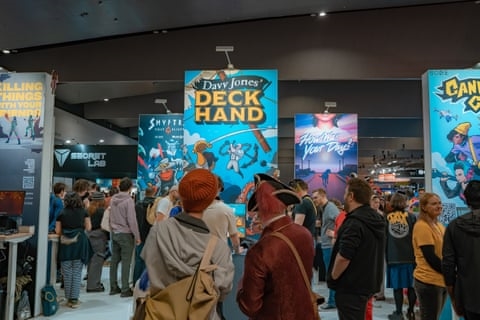
The evidence was on full display at a recent major gaming convention, where a dedicated pavilion for New Zealand developers drew significant attention. The showcased titles were notable for their originality and polish, ranging from a comedic game about controlling people with a parasitic creature to a heartfelt narrative about searching for a lost pet. This strong presence underscores a sector that is rapidly gaining international recognition.
Industry figures tell a compelling story. Revenue for New Zealand’s game development studios has seen consistent annual growth, with a recent surge of 38% pushing the total to nearly NZ$760 million. This performance notably outpaces that of its larger neighbor, Australia. While major studios contribute to these numbers, the foundation for broader success is being built by a targeted support program.
Established in 2019 and since expanded nationwide, the Centre of Digital Excellence, known as Code, represents a different approach to public arts funding. Unlike schemes that offer only financial grants, Code combines investment with comprehensive professional development. It provides emerging studios with mentorship from industry veterans, workshops on skills like marketing and porting games to consoles, and various funding tiers—from initial seed money to larger expansion grants.
The program’s philosophy is to build self-sufficient businesses. “In today’s climate, external investors want to see proven potential before they engage,” explained a development manager for the initiative. “We bake that validation process into our model from the start.” This strategy appears effective; for every dollar the program spends, it generates an estimated NZ$2.67 in return investment.
For developers, the benefits are both practical and cultural. The funding allows small teams to showcase their work at international events they could otherwise not afford. More importantly, it has fostered a tight-knit community. Developers regularly share resources, advice, and even staff, creating a supportive ecosystem rather than a competitive field. “We all know each other and we’re all here to support each other,” said one developer, echoing a common sentiment.
The games themselves often carry a distinctive, inventive character—a quality embraced as part of the local identity. From satires of office life featuring mind-controlling octopuses to cooperative games about piloting a two-headed robot, the output is defined by its creativity. Not every project will achieve blockbuster status, but the industry is committed to learning collectively from both successes and setbacks.
As one veteran developer turned mentor put it, the goal is continuous improvement: “We’re really open about what works and what doesn’t. We’re just trying to make the path easier for the next wave of talent coming through.” With this unique blend of financial support, practical education, and collaborative spirit, New Zealand’s indie game developers are not just creating games; they are building a resilient and innovative industry.