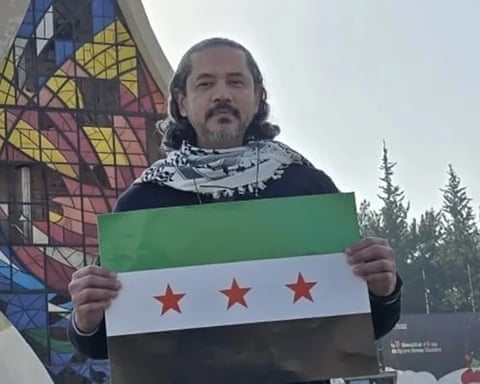
A prominent case of alleged transnational repression is now before a United Nations torture investigator, centering on the detention of a poet and activist. The individual, Abdulrahman al-Qaradawi, has been held in the United Arab Emirates for nearly a year following his extradition from Lebanon.
Legal representatives for Qaradawi have formally requested the UN Special Rapporteur on Torture to examine Lebanon’s role in the matter. They allege that Beirut’s actions facilitated his transfer to a country where he faces severe mistreatment.
The sequence of events began in late 2024 when Qaradawi, who holds Egyptian and Turkish citizenship, was apprehended by Lebanese authorities upon returning from Syria. His arrest stemmed from a social media post made during his trip, which contained criticism of several Arab governments.
An arrest warrant was subsequently issued through a regional security council, leading Lebanon’s government at the time to approve his handover to Emirati authorities in early January. This occurred despite Qaradawi having no citizenship ties to either Lebanon or the UAE.
His legal team contends that promises of humane treatment made prior to the extradition have been broken. They report that their client has been subjected to prolonged solitary confinement in an undisclosed location, deprived of natural light and legal counsel, and has not been formally charged—conditions they assert constitute torture.
“The assurances given for his safety have proven utterly hollow,” stated Rodney Dixon, Qaradawi’s international counsel. “While a different administration is now in power in Beirut, the state’s responsibility remains. Lebanon sent him there and must now exhaust all avenues to secure his return.”
A spokesperson for the current Lebanese government acknowledged the extradition was carried out by the previous administration but declined further comment. Emirati officials, when previously questioned by international media, stated that the detention complies with human rights standards.
UN human rights experts have voiced serious concerns, noting in a March statement that their “worst fears” about violations appear to have been realized.
The case has drawn attention to the mechanisms of cross-border security cooperation in the region. Human rights organizations warn it sets a perilous precedent, where individuals can be apprehended and transferred to a third country solely over critical speech.
“When governments can pursue critics across borders to imprison them, it poses a threat to fundamental freedoms everywhere,” Dixon argued. “This is why international bodies must intervene to prevent such actions from becoming normalized.”
Qaradawi, known for his political poetry and online following, was previously a vocal supporter of pro-democracy movements. His family, granted only brief visits since his detention, issued a plea for his release, expressing anguish over his conditions and longing for his safe return home.