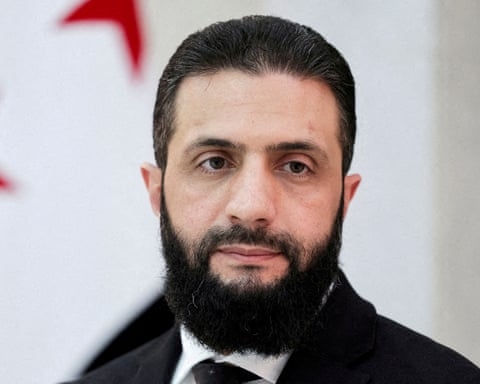
In an unprecedented diplomatic engagement, Syrian President Ahmed al-Sharaa is scheduled to meet with U.S. President Donald Trump in Washington. The discussions, slated for Monday, mark the first official visit of a Syrian head of state to the White House since the nation gained independence.
The central focus of the talks is anticipated to be Syria’s urgent appeal for the United States to fully rescind the economic sanctions that have constrained the country throughout its prolonged civil conflict. President Sharaa’s administration contends that these measures, originally imposed during the rule of former leader Bashar al-Assad, are now obsolete and hinder national recovery.
A key legislative hurdle is the Caesar Syria Civilian Protection Act, a 2019 law that enacted broad sanctions in response to human rights violations. While the U.S. administration has already moved to relax many restrictions, repealing this act would require congressional approval, presenting a significant political challenge.
The upcoming meeting follows a notable shift in U.S. policy. Earlier interactions between the two leaders paved the way for a substantial easing of sanctions. Recent diplomatic moves, including the U.S.-led effort to remove United Nations sanctions against President Sharaa and his removal from a U.S. terrorism blacklist, signal a rapidly evolving relationship. Reports suggest Syria may formally join the U.S.-led coalition against the Islamic State during this visit.
President Sharaa, a former rebel commander, has actively sought to reposition his government on the world stage, emphasizing a commitment to moderation, economic reconstruction, and regional cooperation. In recent public addresses, he has highlighted the resilience of the Syrian people and framed sanctions relief as a critical step toward rebuilding, citing a World Bank estimate that places reconstruction costs in the hundreds of billions of dollars.
U.S. officials have pointed to tangible progress from Damascus, including cooperation on locating missing American citizens and the dismantling of chemical weapons programs, as justification for the diplomatic thaw. They describe the engagement as fostering regional stability and supporting a political future determined by Syrians themselves.
However, the path forward is not without obstacles. Key regional allies, including Israel, have reportedly expressed reservations about a complete withdrawal of economic pressure, viewing it as a diminishment of crucial diplomatic leverage. Despite these concerns, there are indications that broader normalization, including between Syria and Israel, remains a topic of discussion.
The outcome of Monday’s high-stakes dialogue is poised to have profound implications for Syria’s post-war trajectory and the geopolitical landscape of the Middle East.