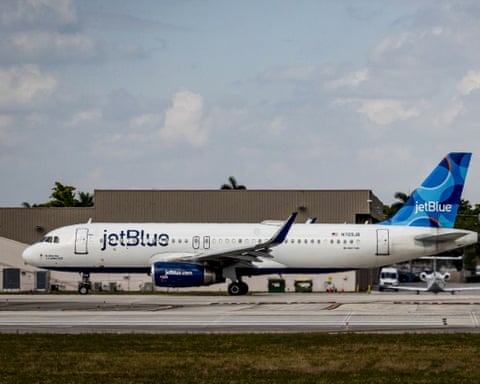
A significant portion of the world’s commercial air travel has been disrupted following an urgent safety directive issued for thousands of Airbus A320-family aircraft. The mandatory action, prompted by a recent in-flight incident, requires immediate software modifications before the jets can return to service.
The directive affects approximately 6,000 aircraft, representing more than half of the global fleet for this widely used model. While the primary fix involves reverting to an earlier software version, a smaller subset of jets will require more time-intensive hardware changes. Aviation authorities in both Europe and the United States mandated the corrective action as a precautionary measure.
The timing of the recall, coinciding with a major travel period in some regions, led to immediate operational challenges for carriers worldwide. Multiple airlines reported flight cancellations and delays as they worked to inspect and update their fleets. The impact varied significantly between operators, with some major carriers stating they expected minimal disruption, while others warned passengers of substantial schedule changes over the coming days.
The safety order was initiated after an investigation into an October incident, where an A320 experienced a sudden altitude change. Preliminary findings suggest that intense solar radiation could potentially corrupt data in a key flight control computer, affecting the aircraft’s pitch. The manufacturer of the computer system stated that the implicated functionality is managed by software outside its direct responsibility.
This recall occurs as the global aviation industry already contends with strained maintenance resources, including backlogs for separate engine inspections. Officials in several countries have sought to reassure the public, noting that the required repairs are straightforward for most aircraft and that the overall safety risk is being proactively managed.
With over 11,000 A320-family aircraft in service globally, the directive underscores the interconnected nature of modern air travel and the rapid response mechanisms activated when a potential fleet-wide issue is identified. Airlines continue to adjust their schedules as work to complete the mandatory updates proceeds.