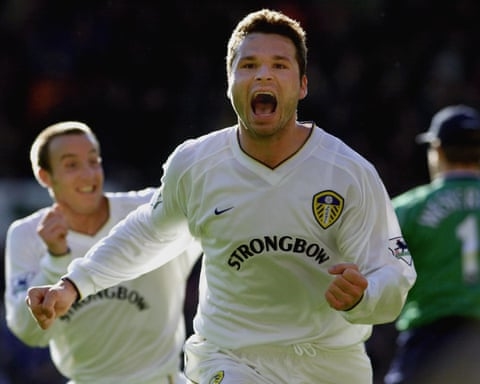
A quarter of a century has passed since a striker’s masterclass decided a Premier League classic. The memory of a four-goal haul against one of England’s giants remains vivid, a testament to a rare blend of power and poise.
The player in question speaks now with the calm demeanour he displayed on the pitch that day. He recalls that his trademark composure was hard-earned, not innate. Early in his career, he admits, the pressure of big moments could lead to rushed decisions. A laugh escapes him as he recounts a crucial chance in a major derby, where a desperate, mishit effort somehow found the net, much to his own surprise and relief.
His journey began far from those grand stadiums. The son of immigrants, he grew up facing casual prejudice but speaks with unwavering pride about the country that offered his family safety and opportunity. His father’s passion for the game was the spark, with weekends spent at their local club, a community pillar for the diaspora.
His talent quickly surpassed the domestic league. While European clubs showed interest, a direct invitation from a head of state changed his path. The offer to join a famous club in his parents’ homeland was compelling, despite the shadow of a recent civil war. With the idealism of youth, he dismissed the dangers, a perspective he now views with the sober hindsight of a parent.
The reality in Zagreb was complex. He became an unwitting political symbol, his name chanted in scorn by opposition fans before he’d even touched the ball. The hostility spilled from the stands into the streets, a constant, draining barrage of insults that had nothing to do with football. He draws a parallel to other global stars who have borne the brunt of public fury, describing a period of profound exhaustion that nearly ended his career.
Seeking refuge, a high-profile move to Britain followed, but his spirit was already battered. He made the difficult decision to delay his debut, requesting time to heal with his family—a move met with understanding by his manager but merciless scrutiny by the press. Unfounded rumours swirled, branding him a money-driven deserter. He was simply a young man, adrift and struggling under an immense weight.
Returning to football, he faced another hurdle: the scepticism often directed at athletes from his nation. He describes the need to prove oneself doubly, to overcome a preconceived notion about one’s footballing pedigree. Yet, his quality soon shone through. A prolific first season, crowned by that legendary four-goal performance, cemented his status and propelled his new club to European heights.
He remembers that talented, spirited squad with great affection, citing the unique qualities of each teammate. However, the club’s financial collapse cast a long shadow. As stars were sold and relegation loomed, his own goals became a lifeline. His departure was born of necessity, not desire, a painful farewell to a city and club he still holds dear.
Subsequent chapters brought a European final, a bitter defeat, and the honour of captaining his national team at a World Cup. Yet, when asked for his crowning moment, his mind drifts back to a hometown triumph with the club of his childhood, a victory for the community that first fostered his love for the game.
Now, two decades on from that Elland Road heroics, his life has found a different rhythm. He rarely watches the sport, preferring to support his son from the sidelines. His focus is a café in a leafy suburb, a venture born from a simple desire for a good cup of coffee in a pleasant setting. It’s a world away from the roar of the crowd, a quiet chapter for a man who has experienced football’s brightest lights and its most intense pressures.