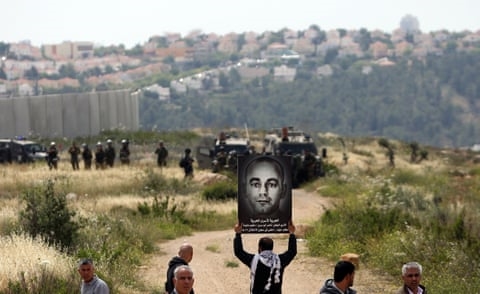
A Palestinian writer, recently released after more than three decades in detention, has reported a severe deterioration in conditions within Israeli prisons since the onset of the latest Gaza conflict. He describes the facilities becoming an extension of the battlefield, marked by a significant rise in punitive measures.
Nasser Abu Srour, 56, was among a group of long-term Palestinian detainees freed last month as part of a ceasefire agreement. He and over 150 others were subsequently transferred to Egypt, where their future remains uncertain.
According to Abu Srour, the treatment of prisoners intensified dramatically after October 2023. He observed a shift in the guards’ demeanor, who began to identify explicitly as combatants. “The prison became another front,” he stated, alleging increased incidents of beatings, along with systematic deprivation of adequate food and warmth. Reports from international bodies have documented numerous fatalities among Palestinian detainees during this period, allegations consistently denied by Israeli prison authorities.
Abu Srour’s own imprisonment began in the early 1990s, following a conviction based on a confession he claims was extracted under duress. During his incarceration, he pursued academic studies and authored literary works, including a memoir composed via smuggled communications. This book, now published in multiple languages, has garnered international literary recognition.
The author recounted the surreal experience of his release, moving directly from confinement to a luxury hotel in Cairo—a jarring transition that he found psychologically overwhelming. The initial joy of freedom was tempered by the strangeness of his new environment and the emotional strain of reuniting with family members he had not seen for decades.
He detailed a harsh regime in the final years of his imprisonment, where cultural and educational activities were banned, rations were minimal, and prisoners were kept perpetually cold. In the hours before the identified prisoners were transported out, they were subjected to a final, violent assault, he said.
The journey to Egypt was conducted with bus curtains drawn, denying the men a view of the outside world until they crossed the border. Their stay in Cairo was abruptly cut short after international media attention, leading to a sudden relocation to a remote hotel, a move that underscored their continued lack of autonomy.
Now facing decisions about his future, Abu Srour is evaluating potential countries for resettlement. His priority is not comfort, but the ability to maintain connections with his family and continue his work. “I don’t want a country without questions,” he remarked, emphasizing his desire to remain engaged with the causes that have defined his life.