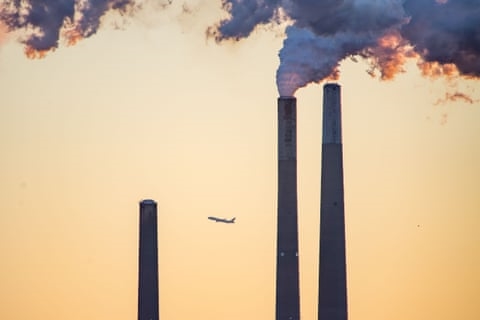
The UN climate summit in Belém has been overshadowed by the outsized presence of fossil fuel industry representatives, who now account for one in every 25 participants at the negotiations. According to new data, more than 1,600 lobbyists linked to oil, gas, and coal interests have been granted access, a figure that surpasses the official delegation of every attending nation except the host country, Brazil.
This year’s total marks a 12% increase from the previous summit and represents the highest concentration of industry-affiliated attendees since tracking began in 2021. While overall attendance in Belém is lower than at recent conferences, the proportion of fossil fuel lobbyists has risen significantly, intensifying concerns about corporate influence over critical climate policy discussions.
The scale of industry access becomes even starker when compared to representation from nations most vulnerable to climate impacts. Fossil fuel lobbyists outnumber the combined delegations of the ten most climate-threatened countries by nearly 60%. For individual nations facing acute climate disasters—such as the Philippines, recently devastated by consecutive typhoons, or Iran, grappling with severe drought—industry representatives outstrip official delegates by ratios as high as 50 to 1.
The findings arrive amid another year of record-breaking global temperatures and escalating climate-driven disasters. They also follow a landmark opinion from the International Court of Justice, which suggested that continued fossil fuel expansion may violate international law. Critics argue that the pervasive presence of industry actors at climate talks represents an irreconcilable conflict of interest, undermining the integrity of negotiations meant to phase out the very fuels driving the crisis.
“This isn’t climate governance; it’s corporate capture,” stated one campaigner, echoing widespread frustration among climate justice advocates. They note that while Indigenous communities and climate-vulnerable groups struggle for access and recognition, thousands of lobbyists move freely through the summit’s corridors.
Transparency remains a significant hurdle. More than half of all national delegation members have not fully disclosed their professional affiliations, obscuring the full extent of fossil fuel ties. Although new transparency rules were introduced this year requiring funding sources to be declared, these measures do not apply to government-appointed delegates, leaving a substantial loophole.
Several wealthy nations have directly incorporated fossil fuel executives into their official teams. France’s delegation, for example, included the CEO of a major oil conglomerate, while Norway’s featured senior figures from its state-owned energy giant.
In response to mounting pressure, a UN climate body spokesperson acknowledged ongoing efforts to improve transparency, while emphasizing that member states retain ultimate authority over their delegation compositions. However, for many observers, incremental reforms are insufficient. Calls are growing for a formal ban on fossil fuel lobbying at the summits, akin to restrictions placed on the tobacco industry, to safeguard the negotiations from commercial interests fundamentally at odds with climate goals.
As the talks proceed, the disconnect between diplomatic proceedings and ground-level climate emergencies remains stark. With billions still flowing into new oil and gas projects and emissions continuing to rise, the challenge of disentangling policymaking from polluting industries appears more urgent than ever.