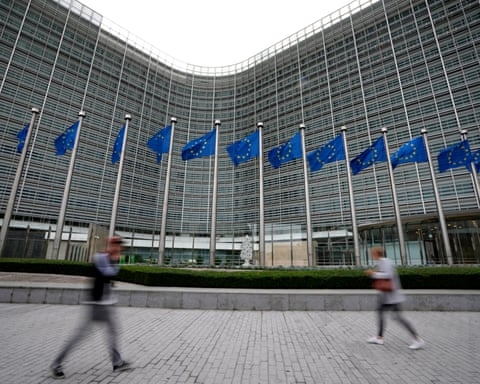
The European Commission is actively considering proposals to postpone the enforcement of key provisions within the EU’s pioneering Artificial Intelligence Act. This move follows significant pressure from major technology firms and the administration of U.S. President Donald Trump.
A spokesperson for the Commission confirmed that deliberations are ongoing regarding a potential delay for specific parts of the regulation. This confirmation comes in response to recent media reports indicating Brussels is seeking to ease compliance burdens on the tech sector.
While the AI Act, the world’s first comprehensive AI governance framework, became law in August 2024, many of its core requirements are not scheduled to take effect until August 2026 or later. These include stringent obligations for developers of high-risk AI systems that could threaten public safety, health, or fundamental rights.
According to reports, one proposal under review would grant companies a one-year “grace period” for violations involving the highest-risk AI applications. Furthermore, providers of generative AI systems—such as those that create text or images—who launched products before the law’s implementation could receive a one-year pause from certain rules. An internal document suggests this would allow companies “sufficient time to adapt their practices within a reasonable timeframe without disrupting the market.”
Additional considerations include delaying the imposition of fines for breaches of new AI transparency rules until August 2027, providing more time for companies to adjust. Reports also indicate officials are studying ways to offer greater flexibility for developers of high-risk AI in monitoring their products’ market performance, potentially through less prescriptive guidance than originally planned.
These proposals are subject to change before a planned release later this month. Any final amendments would require approval from EU member states and the European Parliament.
The EU has faced sustained criticism from the Trump administration, which has threatened tariffs against countries implementing tech regulations it views as discriminatory against American companies. This external pressure coincides with internal industry pushback.
Meta publicly declined to sign the Commission’s voluntary code of practice for AI models this year, arguing the rules create “legal uncertainties” and exceed the AI Act’s mandate. The discontent is not limited to U.S. firms. Dozens of European companies, including major players like Airbus and Mercedes-Benz, have jointly called for a two-year pause on the act. They argue a delay is necessary for “reasonable implementation” and would signal Europe’s commitment to both innovation and competitiveness.
A Commission spokesperson reiterated that no final decision has been made on delaying any part of the AI Act, affirming the institution’s full support for the legislation’s objectives. The spokesperson also emphasized that while the EU maintains constant dialogue with global partners, the right to legislate remains a sovereign matter for the bloc.