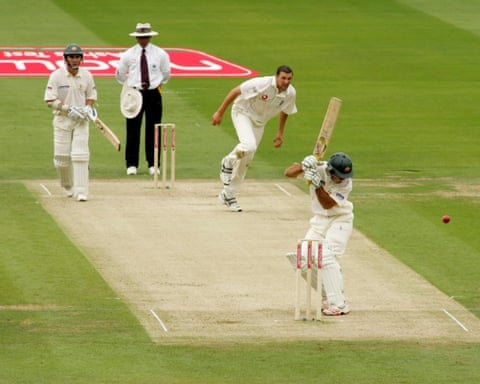
The memory of the 2005 Ashes remains potent. Images of that legendary series—Freddie Flintoff’s heroics, Kevin Pietersen’s audacity, the sheer drama of a nation captivated—still define English cricket’s modern zenith. Yet, a crucial part of that story began not with a win, but with a heavy defeat at Lord’s. It is that precedent a beleaguered England side now clings to after a crushing loss in Perth.
The opening Test of the 2025-26 Ashes was a brutal affair, concluded inside two days. While the scoreboard told a story of Australian dominance, the narrative beneath the surface offered England a sliver of hope. For a period, their pace attack replicated the physical intimidation of Steve Harmison’s famous first-morning salvo at Lord’s twenty years prior. Steve Smith was struck repeatedly, Cameron Green was felled by a searing Mark Wood delivery. The bowlers, at least, had landed telling blows.
The parallels, while imperfect, are compelling. In 2005, England arrived at Lord’s on a formidable run of form, only to be written off as “a bunch of drips” after a comprehensive loss. The criticism was scathing, the pressure immense. Captain Michael Vaughan and coach Duncan Fletcher used that humiliation as a catalyst. Between Tests, they refined their approach, vowing that a submissive mindset would not be repeated. The result was a breathtaking, record-breaking onslaught of 407 runs in a day at Edgbaston—a fearless declaration of intent that turned the entire series.
England’s current predicament mirrors that crossroads. The philosophy of hyper-aggressive cricket is non-negotiable for this team; it is their only viable method to win in Australia. However, the Perth defeat exposed a critical flaw: aggression without acuity. Where Travis Head played a devastating, intelligent innings—the very epitome of controlled aggression—too many English batters perished to high-risk shots that were poorly judged rather than strategically sound.
The path forward is clear. The spirit of 2005 does not lie in simply repeating the same shots, but in harnessing the same defiant energy with a sharper, smarter game plan. The bowling has shown it can disrupt the Australian order. The challenge in Brisbane is for the batting to channel that fighting spirit into sustained, calculated pressure, rather than a fleeting rush of blood.
If they can recalibrate—retaining their attacking DNA while tempering it with situational wisdom—they may yet forge a new narrative. If not, the highlights of this tour will be a grim reel of reckless dismissals, rather than the symbolic fightback that began this Ashes chapter. The echo of 2005 is there, but England must now find their own voice.