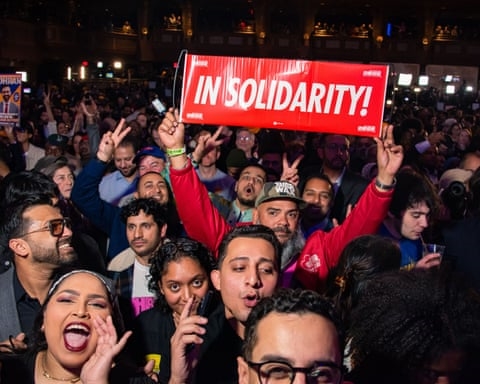
A clear message was sent by voters in several major state and local elections this week: pocketbook issues are paramount. Results from contests in New Jersey, Virginia, and New York indicate that concerns over the rising cost of living and economic accessibility have become the dominant political force, leading to significant setbacks for Republican candidates.
The electoral defeats have prompted introspection within the GOP, with some figures acknowledging a need to refocus on domestic economic concerns. This internal reflection comes as the national political climate appears increasingly defined by voter anxiety over affordability, shifting away from other cultural and ideological debates.
Analysts point to a stark contrast driving voter sentiment. While official economic metrics are cited by some policymakers, the daily reality for many Americans involves persistent pressure from grocery bills, housing costs, and interest rates. This disconnect has fueled frustration, with voters demonstrating a willingness to shift support to candidates who directly address these financial strains.
In high-profile races, Democratic candidates successfully centered their campaigns on this economic unease. Proposals to address housing affordability, lower living costs, and invest in public services resonated with electorates. Their opponents, meanwhile, were perceived by many voters as either out of touch with these core issues or distracted by secondary political battles.
The election outcomes suggest that, for a broad coalition of voters, practical economic security now outweighs other considerations. Candidates who highlighted the struggle to afford groceries, secure housing, or manage childcare found a receptive audience, indicating that the electorate’s primary demand is for tangible relief and a government attuned to these fundamental challenges.
Despite the clear trend in the election results, some reactions from national political leaders have downplayed the role of economic concerns, attributing losses to other factors. This response has led observers to question whether the prevailing message of voter anxiety is being fully acknowledged at the highest levels of government, setting the stage for continued political friction as the affordability crisis persists.