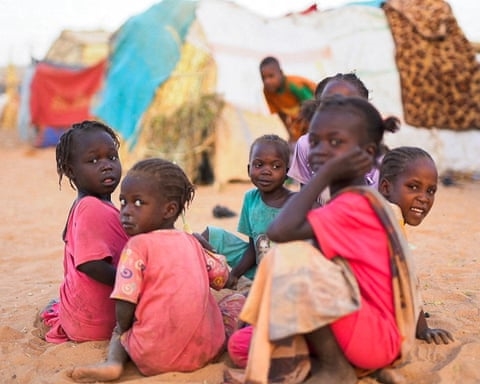
A dire humanitarian emergency is escalating in Sudan’s North Darfur state following the seizure of a key city by paramilitary forces, with international agencies warning of a near-total collapse of aid operations and catastrophic levels of malnutrition among displaced civilians.
The city of El Fasher, the last major urban center in Darfur not under the control of the Rapid Support Forces (RSF), fell to the group in late October. In the weeks since, reports have emerged of widespread violence against civilians, including mass killings, with survivors describing attacks by fighters using heavy vehicles and automatic weapons.
The fallout from the fighting has created a severe crisis for the local population. The International Organization for Migration reports that nearly 90,000 people have fled El Fasher and nearby villages, many arriving at severely overcrowded camps in areas like Tawila. These sites lack basic shelter, food, and medical supplies.
Aid organizations now say their ability to respond is failing. Warehouses are nearly empty, and convoys face extreme security risks and access restrictions. “Humanitarian operations are on the brink of collapse,” one UN agency stated, noting that only a fraction of those in need can be reached.
The health consequences are already severe. Medical groups report that among young children arriving at displacement sites, over 70% suffer from acute malnutrition, with more than a third experiencing its most life-threatening form. The World Health Organization has separately warned that thousands remain trapped in the city with almost no access to food, clean water, or healthcare.
Allegations of systematic atrocities committed during and after the capture of El Fasher are mounting. Satellite imagery and footage have indicated large-scale violence, while fleeing medical personnel and witnesses have recounted incidents of killings, abductions, and sexual violence. UN officials have pointed to evidence that rape is being used deliberately as a weapon of war, and that attacks appear to have targeted specific ethnic communities.
The international community faces renewed criticism for its response. A top UN human rights official recently stated that the situation underscores “the cost of inaction.” The International Criminal Court has opened an investigation into potential war crimes in the area.
The conflict between the RSF and the Sudanese army, which began in April 2023, shows no signs of abating. The capture of El Fasher marks a significant shift in the war’s dynamics, with the humanitarian toll now reaching what aid workers describe as staggering proportions.