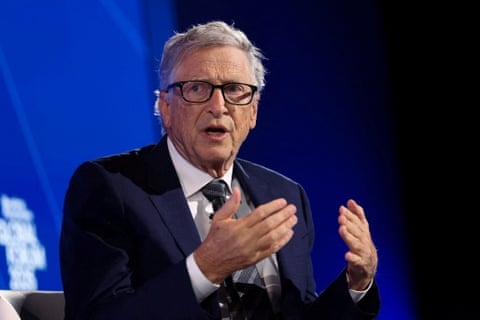
A recent policy document from a prominent technology figure has drawn criticism from climate scientists for what they describe as a misleading framing of the global crisis. The memo argues for a “strategic pivot” in international efforts, suggesting that reducing greenhouse gas emissions should be a lower priority than directly alleviating poverty and suffering in developing nations.
The document’s publication was quickly highlighted by certain political figures as evidence of a retreat from climate action. However, the author has since clarified that this interpretation is a significant misreading, emphasizing continued personal investment in both climate and global health initiatives. The core argument presented is that in a world of finite resources, nations are often forced to choose between funding climate mitigation or poverty eradication.
This central premise has been disputed by leading climate researchers. Experts argue that the document creates a false choice, suggesting that the funding for these critical goals is inherently a zero-sum game. They contend that this overlooks the integrated nature of the challenges and the potential for synergistic solutions.
A key point of contention is the memo’s assertion that climate change “will not lead to humanity’s demise.” Scientists state this misrepresents the established scientific consensus, which does not predict human extinction but rather a severe and escalating scale of human suffering—including increased mortality, displacement, and economic loss—with each incremental rise in global temperature. Characterizing the debate as a binary between total apocalypse and no problem at all, they say, ignores the vast spectrum of catastrophic consequences already underway.
Researchers emphasize that current climate policies, while preventing the very worst scenarios, still put the world on a trajectory of profound disruption. The impacts—from rising seas and intensified droughts to devastating floods—will constitute a global catastrophe, affecting ecosystems and populations in both wealthy and poor nations alike.
Critics also described parts of the memo as detached from practical realities. For example, while it suggests adapting to extreme heat by pausing outdoor work and building cooling centers, the reality is that such infrastructure is absent in many vulnerable regions, making mitigation of the heat’s cause all the more urgent.
The discussion around this influential document comes ahead of a major international climate summit, where negotiations are expected to focus on the urgent need to transition away from fossil fuels—a step scientists say is indispensable to addressing both the climate crisis and its disproportionate impact on the world’s most vulnerable populations.