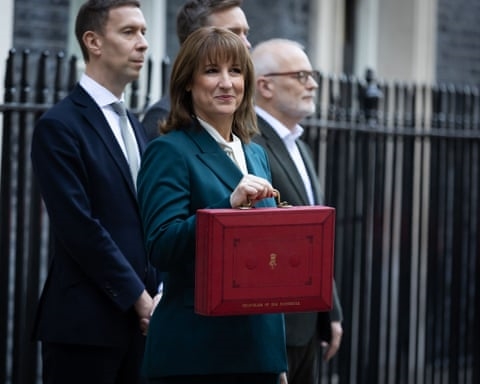
In a significant fiscal statement, the government has laid out a multi-billion-pound plan to reshape the nation’s finances, focusing new revenue-raising measures on high-value property and investment income. The central aim is to fund the abolition of a controversial welfare cap and provide relief on household energy costs.
The Chancellor defended the strategy, stating it was necessary for all to contribute to stabilizing public finances, while ensuring those with the greatest means bear a larger share. The overall tax burden is projected to reach a historic level as a percentage of economic output within five years.
A key revenue measure is an extended freeze on the thresholds for income tax and national insurance, a move expected to draw over 1.7 million more individuals into the tax system or into higher bands by the end of the decade. Treasury officials acknowledge this will impact working households but argue it is essential for raising substantial funds.
The budget specifically targets wealth through a new annual surcharge on residential properties valued above £2 million, alongside an increased tax rate on income from dividends and savings. A future cap on tax-advantaged pension contributions from employers is also set to generate significant annual revenue.
Financial markets reacted favorably to the announcement, with government borrowing costs falling. Analysts noted the Chancellor had created a larger-than-expected buffer against her own fiscal rules, which was viewed positively.
A major social policy shift is the full removal of the limit on child-related benefits for larger families, a measure the government states will lift hundreds of thousands of children out of poverty. The Chancellor told Parliament she would not uphold a system that “penalizes children for their family’s situation.”
To address cost-of-living pressures, the budget shifts environmental levies off domestic energy bills and onto general taxation, a change forecast to reduce average annual bills. A freeze on regulated rail fares was also confirmed.
The statement was not without its critics. The opposition leader dismissed it as a budget that burdens ordinary taxpayers, while some independent economic institutes cautioned that the plan relies heavily on tax increases scheduled for later years, creating a “spend now, pay later” dynamic. They warned that delivering on these future revenue promises remains a challenge, with the economic outlook uncertain.
The Chancellor concluded by urging her parliamentary colleagues to actively make the case for the budget to the public, acknowledging the need to win the argument for its measures in the coming months.