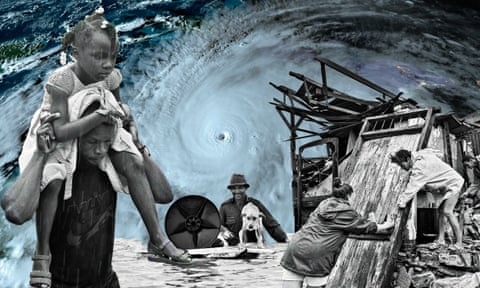
A week after a catastrophic hurricane struck, communities across the Caribbean are confronting a landscape of profound loss and a daunting recovery. The storm, noted for its exceptional power and slow, punishing approach, has left a trail of destruction that residents describe as unlike anything in living memory.
In Jamaica, one of the hardest-hit nations, the damage is extensive. Entire areas have been isolated by landslides and flooding, with infrastructure wiped away. Eyewitness accounts describe villages where familiar landmarks—shops, restaurants, homes—have simply vanished, leaving residents to speculate the debris was swept out to sea. The psychological toll of the prolonged anticipation, marked by a mix of dread and grim humour on social media, has compounded the physical devastation.
The event has intensified a pressing regional conversation about climate justice and resilience. Scientific consensus links the increasing intensity of such storms to warmer ocean temperatures. This reality underscores a stark imbalance: the Caribbean region contributes a minimal fraction of global greenhouse gas emissions, yet it bears a disproportionate brunt of the resulting extreme weather. This has fueled calls for greater accountability and support from industrialised nations, with some advocates drawing a direct line from the historical impacts of colonialism and slavery to the present-day climate crisis.
The immediate focus is on survival and rebuilding, a task made more arduous for communities still recovering from previous storms. The trauma for survivors, especially children, is a significant and growing concern. In response, a massive mobilisation of aid is underway, spearheaded by both international diaspora networks and local celebrities organising fundraising efforts.
Looking beyond the current emergency, a pressing question hangs over the islands: how to build back stronger. With the annual hurricane season a permanent fixture on the calendar, the urgent need to future-proof homes, infrastructure, and communities against an escalating climate threat is a daily reality for millions. The burden of perpetual preparation, and the search for security in an increasingly volatile climate, now defines life for many across the Caribbean.