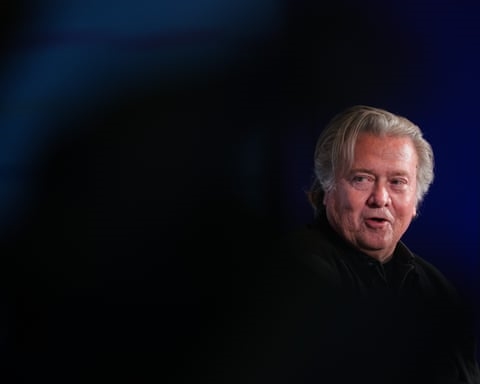
Newly disclosed communications reveal a sustained, behind-the-scenes effort by political strategist Steve Bannon to advise financier Jeffrey Epstein on managing his public image amid escalating legal and media scrutiny. The correspondence, spanning nearly a year, shows the pair developing strategies to counter allegations against Epstein while simultaneously advancing political interests.
The messages, made public by a congressional committee, indicate that by mid-2018, Bannon and Epstein were actively crafting responses to growing public outrage. This scrutiny focused on Epstein’s past legal issues, perceived judicial leniency, and his associations with influential figures. Bannon characterized the renewed attention as a coordinated operation, offering Epstein counsel on dealing with the press, the justice system, and his accusers.
Parallel to addressing Epstein’s challenges, the discussions also centered on promoting a right-wing political agenda and the fortunes of its leading figure.
While the released messages redact correspondent identities, contextual details—including phone numbers matching those linked to Bannon in other legal proceedings—strongly indicate his involvement. Bannon has not publicly addressed these specific communications.
The exchanges began in earnest in June 2018. Bannon framed the emerging scandal as a sophisticated campaign, telling Epstein, “This is an op, dude – I do this for a living.” Epstein acknowledged the pressure, noting public anger over his friendships with powerful individuals.
As major media investigations unfolded later that year, the tone of the messages shifted. By December, Epstein speculated on his own potential to cause political damage, claiming he was “the one able to take him down,” in an apparent reference to then-President Donald Trump.
The strategies discussed evolved from simple media rebuttals to more complex projects. By early 2019, Bannon was advising Epstein against engaging directly with certain accusations, warning that a response could worsen the situation. They instead explored having associates communicate on his behalf.
A significant focus became a proposed film project aimed at rehabilitating Epstein’s reputation. Messages from April 2019 show them planning production details, with Bannon emphasizing the need to counter a narrative he described as “rapist who traffics in female children.” He argued the goal was to show “the 12 you redeemed,” while asserting, “you are NOT that.” Discussions covered filming logistics, crew size, and even Epstein’s appearance.
Throughout this period, Bannon encouraged Epstein to hire crisis communication professionals to “drive the narrative.” Epstein relayed that advisors urged him to focus on legal arguments, acknowledging the need to later confront his “pervert hermit image.”
The messages also reveal shared frustrations over Epstein’s portrayal in contemporary books about the administration and annoyance with specific media reports about his properties.
In a notable exchange from June 2019, weeks before Epstein’s arrest, Bannon reacted with enthusiastic optimism to a headline suggesting Epstein’s past plea deal might be upheld, texting, “Epic epic epic.”
The communications extended beyond Epstein’s personal crisis. The pair discussed undermining the MeToo movement. In one instance, Epstein offered Bannon detailed advice on how to challenge the credibility of a woman who had accused a Supreme Court nominee, suggesting a line of questioning about her medications to imply memory issues.
These messages portray a concerted, year-long collaboration where image management, legal strategy, and political maneuvering were deeply intertwined.