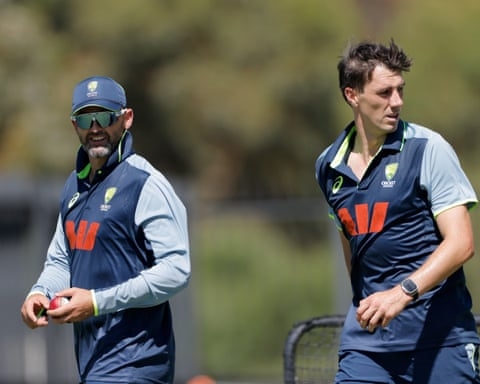
The upcoming Ashes series will be a test of resilience for Australia, as a squad long defined by its experience is suddenly navigating an unplanned transition. The focus on the team’s age, particularly its bowling unit, has been a recurring theme for years. This is not without reason: the squad features a remarkable number of players in their 30s, with several key birthdays coinciding with the Test matches themselves.
For a significant period, the advanced age of the group was more a point of discussion than a practical concern. The primary bowling attack, boasting a combined tally of wickets well into four figures, represented a formidable asset built on years of elite performance. The lack of an obvious succession plan for these veterans was manageable while they remained fit and effective. Younger contenders have emerged, only to be sidelined by persistent injuries, leaving the established hierarchy undisturbed. The prospect of a generational shift remained distant—a theoretical challenge for the future.
That future has now arrived abruptly. Within a matter of weeks, the team’s composition has been thrown into flux. An initial injury to a senior paceman was seen as manageable, with a reliable deputy ready to step in. However, a subsequent injury to another cornerstone of the attack has fundamentally altered the dynamic. The loss of both right-arm specialists disrupts the carefully calibrated balance that allowed their left-arm counterpart to operate as a primary strike weapon. The deputy, so effective in a specific supporting role, may now be required to lead the line with the new ball.
His support will come from a bowler set for a daunting debut. While not a rookie in terms of years, facing a packed stadium in the fever-pitch atmosphere of an Ashes opener is a formidable challenge for any player making their first appearance. Profiles may highlight a calm demeanor, but the cauldron of a first Test is an ultimate proving ground.
The series now opens with significant uncertainty. The famed bowling quartet is suddenly reduced to a duo, with the remaining slots filled by question marks. Further injuries in the demanding first Test remain a possibility, and the recovery timelines for the sidelined veterans are unclear, given histories of lingering issues.
The latter stages of the series could yet see the reunion of the primary attack. Alternatively, the transition many anticipated for a future tour may be accelerated on home soil. Beyond the next-in-line candidates, who themselves are returning from injury or are untested at this level, the selection picture becomes murky. This period of forced recalibration presents a clear opportunity for the visiting side. A long-anticipated changing of the guard, once a distant rumble, is now distinctly audible as the series gets underway.