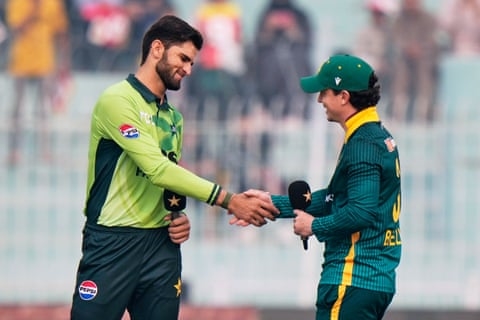
The landscape of Pakistan cricket appears grim at first glance. The limited-overs teams have endured a string of disappointing exits from recent global tournaments, and the administrative environment remains as turbulent as ever, marked by frequent changes in leadership across the board and the national cricket body. Yet, within this period of uncertainty, the traditional, long-form game is emerging as a rare source of stability and a plausible route back to relevance.
The cycle of upheaval is familiar. Captaincies change hands rapidly, and the support staff around the national teams has been in a constant state of flux. This instability has inevitably translated to on-field performances. The once-dominant white-ball sides have faltered, and even the most gifted batters have seen prolific runs dry up. The women’s programme, too, has faced significant challenges, with organisational issues and external factors hampering its development.
Geopolitical tensions continue to cast a long shadow, affecting tournament hosting rights and depriving the country’s premier players of opportunities in the world’s most lucrative domestic league. This isolation has tangible consequences, limiting exposure to high-pressure environments and cutting-edge tactics. Furthermore, the national board’s own policies have sometimes undermined its players’ reliability in overseas franchise leagues, diminishing their market appeal.
However, the structure of the World Test Championship (WTC) offers a distinct counter-narrative. Its two-year cycle provides a clear, long-term framework often absent elsewhere. Pakistan’s current schedule in the competition appears manageable, avoiding the most daunting away assignments and presenting a realistic opportunity to accumulate points. The recent home series against South Africa, though ultimately drawn, underscored this potential.
On familiar pitches, a clear strategy has taken shape. The development of turning tracks has played to historical strengths, unearthing late-blooming spin talents and allowing the pace attack to remain potent. While the batting order may lack consistent firepower, it still houses world-class talent capable of match-winning innings. The bowling arsenal, featuring both seasoned campaigners and the enduring threat of reverse swing, provides a foundation for success.
Predicting outcomes in Pakistani cricket is a fraught exercise, given the backdrop of administrative unpredictability. Yet, the Test format, with its defined roadmap and emphasis on home conditions, provides a rare beacon of clarity. It represents a tangible path forward—a chance to build sustained success and perhaps even challenge for a major title, following the blueprint of other nations. For now, in a turbulent era, the five-day game keeps the competitive flame alive.