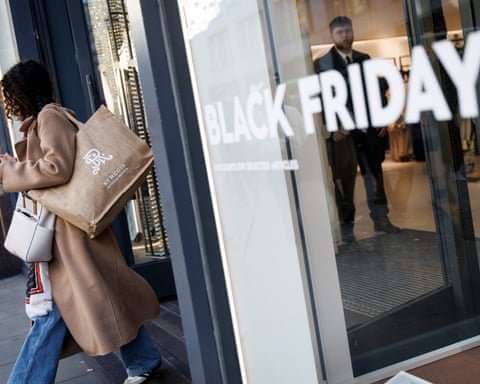
As the holiday season approaches, a significant number of American households are re-evaluating their spending plans against a backdrop of economic pressures. The intersection of elevated living costs and shifting trade policies is prompting a more cautious approach to festive expenditures.
Recent discussions from the current administration have centered on measures aimed at affordability, including potential adjustments to import duties and proposals for long-term financial products. Public statements have also referenced the possibility of direct financial relief to citizens, funded by revenue from international trade measures. These developments occur alongside data indicating that a majority of families report their monthly expenses have risen substantially compared to previous years.
This financial landscape is leading many to question how it will impact traditional holiday spending. Key considerations include whether consumers have begun their seasonal shopping, how broader economic factors are influencing their budgets, and the specific role of recent trade policies on the prices of everyday goods and potential gifts.
The collective sentiment points towards a holiday period where budgetary mindfulness may take precedence, as individuals and families navigate the balance between celebration and financial practicality.