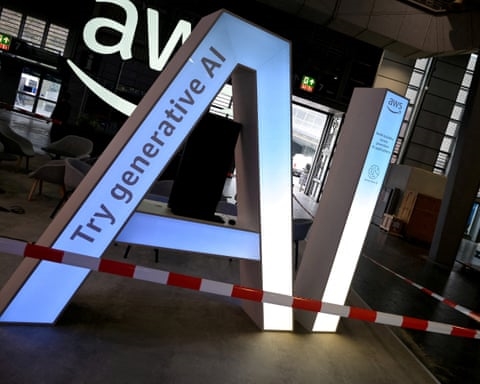
A significant internal movement is growing within Amazon, as over a thousand employees have united to voice profound apprehensions regarding the company’s aggressive pursuit of artificial intelligence. In a collective statement released this week, the workers argue that the breakneck speed of AI integration is creating unsustainable workplace pressures, threatening job security, and undermining environmental commitments.
The letter, which has also garnered support from thousands of tech workers at other major firms, outlines a series of demands. Central to their concerns is the environmental footprint of AI expansion. Employees are calling for Amazon to commit to powering all its data centers with renewable energy and to halt investments in AI infrastructure that would prolong the operation of fossil fuel plants. They cite company data showing a roughly 35% increase in annual emissions since 2019, a trend they see as contradictory to Amazon’s public pledge to achieve net-zero carbon by 2040.
Concurrently, the letter highlights growing unease about AI’s role in the workplace. Multiple employees, speaking on condition of anonymity, described a top-down mandate to utilize AI tools for coding, writing, and daily tasks, coupled with warnings that failure to adopt these technologies would leave them behind. This push, they report, has been accompanied by expectations for dramatically increased output, creating what one software engineer described as an unsustainable “sink or swim” environment.
The workers stress that their critique is not of AI itself, but of its current trajectory. They advocate for a more measured and inclusive approach, including the formation of employee-led working groups to guide how and if AI should be implemented in their departments. The goal, they say, is to develop technology that serves society without exploiting workers or the planet.
In response to the concerns, an Amazon spokesperson defended the company’s record, highlighting its status as the world’s largest corporate purchaser of renewable energy and significant investments in nuclear energy. The company maintains these are concrete actions demonstrating progress toward its 2040 climate goals.
The employee-led initiative reflects a broader industry-wide tension, as the race to dominate AI clashes with growing scrutiny over its social and environmental costs. The signatories aim to spark an internal dialogue, challenging what one senior engineer called a “culture of fear” around discussing AI’s drawbacks and advocating for a more responsible path forward.