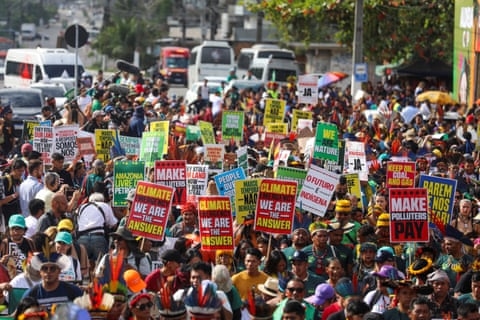
A significant corporate presence has been documented at the ongoing UN climate conference in Brazil, with an investigation revealing that more than 300 lobbyists representing major industrial agriculture sectors are in attendance. This figure exceeds the official delegation of Canada, a top-ten global economy, and marks a notable increase from previous summits.
The lobbyists are affiliated with industries—including meat and dairy production, commodity crops, and agrochemicals—collectively responsible for up to a third of global greenhouse gas emissions. Notably, a quarter of these representatives are integrated into official national delegations, granting them direct access to negotiation spaces where international climate policy is being formulated.
The summit is being held in the Amazon region, where industrial cattle ranching and soy cultivation are primary drivers of deforestation. Scientists warn that without transformative changes to global food systems, meeting the Paris Agreement’s temperature goals will be impossible. Critics argue that the outsized influence of these commercial interests undermines the summit’s integrity and obstructs ambitious action.
“While negotiators discuss an energy transition, the same industries are responsible for oil spills in the Amazon and the privatization of rivers for soy transport. For Indigenous communities, this isn’t development—it’s violence,” said one Indigenous leader from the affected region.
The delegation breakdown shows the meat and dairy sector sent the largest contingent, with 72 representatives. This is nearly double the number of negotiators from Jamaica, a Caribbean nation recently devastated by a climate-fueled hurricane. Agrochemical firms and biofuel producers also have substantial delegations, with the latter’s presence growing sharply since last year.
Analysts point out that while food systems are not a formal negotiation topic, key agenda items like biofuel policy and climate finance directly benefit large agricultural corporations. Brazil, the host nation, is advocating for a major expansion of biofuels, despite research indicating some biofuels may have a higher carbon footprint than fossil fuels due to land-use changes.
“The climate talks are beginning to resemble a hostage situation,” commented a food systems expert. “The very industries that hold the future of the planet in their hands are sitting at the table, positioning themselves not as the problem, but as part of the solution.”
The investigation, based on the UN’s provisional attendee list, also highlights the lobbying power of national and international agricultural trade groups. These organizations have historically opposed environmental regulations, including emissions disclosure rules and dietary guidelines recommending reduced meat consumption.
Advocacy groups are now calling for stricter conflict-of-interest policies at future climate conferences, drawing parallels to campaigns seeking to limit the influence of fossil fuel lobbyists. “We cannot build sustainable or resilient food systems if the rules are written by the world’s largest agribusiness firms,” stated a policy analyst from a scientific advocacy organization.
In response to inquiries, some companies stated their commitment to climate action and sustainable practices. Other named corporations and the summit’s organizing bodies did not provide comment.