The world’s political leaders have been issued a blunt and urgent ultimatum at the opening of a major international climate conference: failure to decisively transition away from fossil fuels will result in catastrophic economic and humanitarian consequences for which history will not forgive them.
In a powerful address to delegates from nearly 200 nations, the UN’s top climate official framed the climate crisis as the defining economic and security challenge of this era. He warned that governments which hesitate or take minimal steps will be held accountable for the resulting global instability.
“Allowing political disputes to paralyze us while climate-driven famines displace millions and conflicts spread is an indelible failure,” the official stated. “To hesitate while extreme weather devastates economies and sends food prices soaring makes no sense—politically or financially.”
The two-week summit, taking place in the Brazilian Amazon, is tasked with accelerating the global shift to clean energy, securing critical funding for vulnerable nations, and charting a concrete path to drastically reduce greenhouse gas emissions.
The conference begins under the shadow of scientific data showing global temperatures have already exceeded the critical 1.5-degree Celsius benchmark set by the Paris Agreement for two consecutive years. While scientists note this overshoot could still be reversed through aggressive action—such as slashing methane emissions and rapidly deploying renewable technology—the window for doing so is narrowing rapidly.
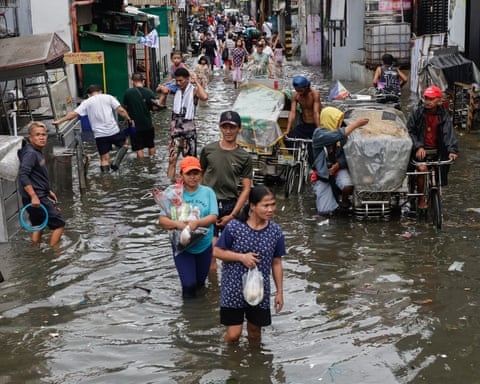
The UN official emphasized that the tangible impacts are already being felt worldwide through intensified storms, droughts, and floods, which are driving up inflation and destabilizing economies. Conversely, he argued, embracing the transition to affordable, clean energy presents a historic opportunity for job creation and economic growth.
“Economies that surge ahead with this transition will prosper,” he said. “Those that opt out or move too slowly will face stagnation and higher costs.”
A significant early achievement of the conference was the swift adoption of a formal agenda, avoiding the procedural delays that have hampered previous meetings. However, this efficiency came with compromises, merging some critical discussion points and leaving key details on finance and emission targets to be clarified in intensive negotiations this week.
The agenda’s structure already hints at the diplomatic battles ahead. Crucial discussions on implementing the global pledge to move away from fossil fuels, made at a previous summit, may be shifted to a forum that does not require full consensus, potentially sidelining opposition. Meanwhile, a coalition of vulnerable island nations is pushing for a formal acknowledgment that current national climate plans are insufficient and would lead to dangerous levels of warming, a move expected to face resistance from other negotiating blocs.
Wealthy nations will also face intense scrutiny for not meeting their own emission reduction targets and for lacking clear plans to deliver on promised financial aid to the developing world.
In his opening remarks, the host nation’s leader underscored the existential stakes, arguing that without international cooperation, the planet could be headed for catastrophic warming by century’s end. He championed the protection of forests and the central role of Indigenous communities in climate solutions, while issuing a veiled condemnation of global figures who deny climate science and obstruct progress.
“The serenity of this forest must inspire in us the clarity and courage we desperately need,” he told the assembled delegates, setting a tone of urgency for the high-stakes negotiations to come.