A community in a remote part of the Democratic Republic of Congo is holding its breath, hoping a recent health crisis has finally passed. The focus is on the village of Bulape in Kasai province, where a deadly viral disease re-emerged earlier this year.
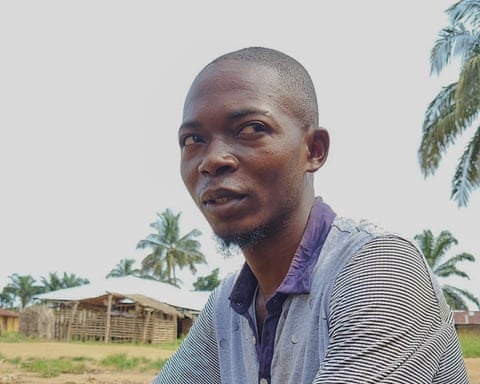
For one young man, the outbreak brought unimaginable personal tragedy before he himself fell ill. After losing several family members to a mysterious sickness, he began experiencing severe symptoms including high fever, body pain, and vomiting. Medical tests later confirmed he had contracted the virus.
The declaration of an outbreak in early September triggered a rapid response. Health authorities reported dozens of cases and several fatalities within the first two weeks, including among medical personnel. A major coordinated operation was launched to contain the spread.
The disease, which is transmitted from animals to humans and spreads through bodily fluids, causes severe symptoms and is often fatal without treatment. The region has experienced multiple outbreaks since the virus was first identified there decades ago, with a particularly large epidemic occurring several years ago in other provinces.
This latest episode presented unique difficulties due to the isolated location of the affected area. Reaching the village required a multi-day journey through forested terrain. Responders had to transport all necessary supplies, from medical equipment to construction materials, into the zone.
Medical teams established a dedicated treatment unit at the local hospital. The patient recalled being unconscious upon arrival and credits early treatment and vaccination with his survival. The very remoteness that complicated the aid effort, however, is also credited with helping to prevent a wider regional spread, unlike past epidemics that crossed international borders.
A significant initial hurdle was a lack of locally trained medical staff familiar with managing such outbreaks. International aid organizations worked to recruit and train community members, eventually building a primarily local team to support the response.
The fight was as emotionally taxing as it was medical. Patients witnessed others in their treatment units succumb to the illness. Health workers, even those experienced in outbreak settings, acknowledged the psychological toll of combating a virus with a high mortality rate. Survivors grappled with profound trauma and stigma upon returning to their communities, with some reporting that friends and neighbors kept their distance out of fear.
Alongside treating the sick, a large-scale vaccination campaign was swiftly implemented, inoculating tens of thousands of people in the surrounding area—a critical tool that officials say helped curb transmission.
The countdown to officially declare the outbreak over began in late October, following the discharge of the last patient. Health protocols require a 42-day period with no new cases. If that milestone is reached, the event could be declared concluded by early December.
For survivors now rebuilding their lives, the experience has been transformative. One man, who plans to return to farming, advocates for resilience and trust in medical care. “I was sick and unable to walk,” he said, “and yet here I stand.”
As the waiting period continues, healthcare workers and villagers alike are united in hope, watching for the all-clear that would mark the end of their community’s latest arduous battle.