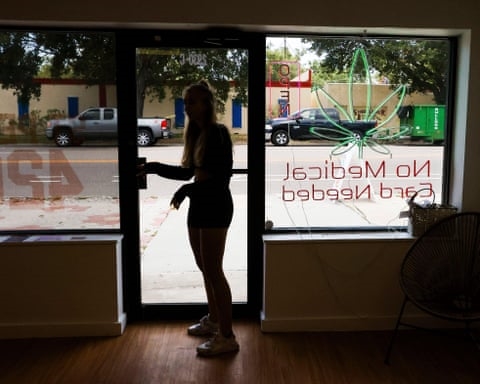
A controversial measure to severely restrict hemp-derived products, inserted at the final hour into a critical government funding package, is creating a rift among Republican lawmakers and jeopardizing the bill’s passage. The provision, which could effectively outlaw a vast majority of legal CBD and THC beverages and edibles, has drawn fierce opposition from representatives of Kentucky, a leading hemp-producing state.
The spending legislation, aimed at ending the current government shutdown, is scheduled for a House vote as early as Wednesday. Its success hinges on securing 218 votes. With 219 Republican members, the defection of even a few could derail the process. Three Kentucky Republicans—Representatives James Comer, Thomas Massie, and Andy Barr—have already voiced strong objections to the hemp ban.
The opposition stems from the provision’s stringent new limits. Industry advocates argue the language would criminalize any product containing more than 0.4 milligrams of total THC per container, a threshold so low it would encompass an estimated 95% of current hemp products. This represents a dramatic shift from the 2018 Farm Bill, which legalized hemp by defining it as containing less than 0.3% of Delta-9 THC. The new rules would ban all THC isomers, including Delta-8 and THCA, and even impact non-intoxicating CBD products with trace THC.
“This isn’t regulation; it’s a de facto prohibition crafted behind closed doors,” said one industry executive, who criticized the last-minute addition to the must-pass spending bill. “Policy made by omnibus surprise fuels the very unregulated, unsafe market it claims to want to stop.”
The measure’s origins are attributed to negotiations during the appropriations process, with key figures like Senator Mitch McConnell and Congressman Andy Harris named as instrumental in its inclusion. The tactic has drawn ire from colleagues. Senator Rand Paul of Kentucky broke party ranks to vote against the bill in a procedural vote Monday night, after failing to strip the hemp language.
The debate reveals a complex lobbying landscape. While some alcohol industry groups support the ban, others, including distributors who handle THC beverages, have pushed for regulated markets instead of an outright prohibition. Some analysts suggest traditional alcohol manufacturers view hemp-derived alternatives as a factor in declining alcohol sales.
Industry leaders warn that an overly broad ban would not eliminate demand but would push consumers toward illicit, unregulated products, exacerbating existing concerns about product safety and underage access. They are advocating for a regulatory framework to ensure consumer safety and market stability.
Despite the outcry, the funding bill is expected to pass. However, the provision includes a one-year delay before enactment, offering a window for legislative correction. Opponents are already mobilizing to replace the ban with what they call “thoughtful, science-based regulation” in the coming months.
As one CEO noted, the long-term political calculus may ultimately favor the burgeoning industry: “Politicians don’t typically lead consumer preferences; they follow consumer demands.” The immediate showdown, however, centers on whether this contentious policy rider will hold up vital government funding.