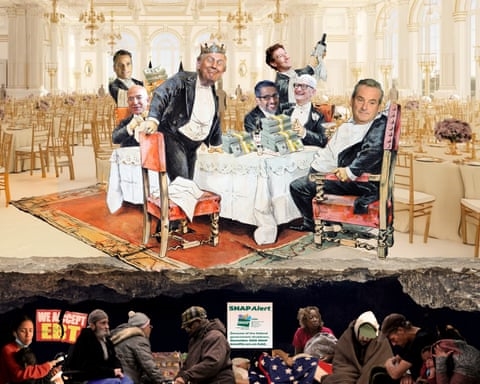
A stark divide is unfolding in the nation’s capital. As the federal government remains shuttered, a lavish fundraising effort is underway to construct a massive, privately-funded ballroom at the White House, with an estimated price tag reaching $300 million. This pursuit of opulence stands in jarring contrast to the immediate crisis facing millions of Americans who rely on federal food assistance, which is now in jeopardy.
The project, championed by the President, recently advanced with a high-dollar dinner for wealthy donors and corporate representatives. The event, held in mid-October, showcased an atmosphere of extreme luxury. Meanwhile, the ongoing government impasse has pushed critical nutrition programs to the brink. The Supplemental Nutrition Assistance Program (SNAP), a lifeline for over 40 million low-income individuals and families, faces a potential benefits freeze, threatening a surge in food insecurity.
Critics describe the situation as a modern-day parable of excess versus need. They argue the administration is prioritizing the desires of a wealthy donor class over the basic necessities of vulnerable citizens. The ballroom initiative has proceeded without the standard architectural reviews, following the abrupt dismissal of a federal arts commission and the demolition of a section of the White House’s East Wing.
The funding mechanism itself has drawn sharp ethical scrutiny. The dinner guest list included executives from major technology, defense, and finance corporations, leading to accusations that the administration is openly trading access and influence for private contributions to a presidential vanity project. This comes alongside legislative efforts that have delivered significant tax advantages to high earners while reducing support for working families.
The political fallout is becoming evident. Recent polling indicates strong public opposition to the ballroom project, and a significant portion of the electorate holds the President’s party primarily responsible for the government shutdown. The crisis is expected to worsen, with federal employees facing missed paychecks and other essential services, from rural air travel subsidies to early childhood education programs, running out of money.
Some political observers see a pivotal moment. They suggest the administration’s focus on grand, self-aggrandizing construction during a period of widespread public hardship could alienate the very voters it has long courted. The tangible impact of shuttered clinics and empty grocery budgets in struggling communities, they argue, may cut through political rhetoric more effectively than any other issue.
The spectacle has prompted historical comparisons to eras defined by vast inequality between the powerful and the public. The image of a gilded expansion of the executive residence, funded by private interests while public services collapse, presents a powerful and controversial symbol of the current political climate. The question now is whether this contrast will reshape the political landscape as the shutdown’s consequences deepen.