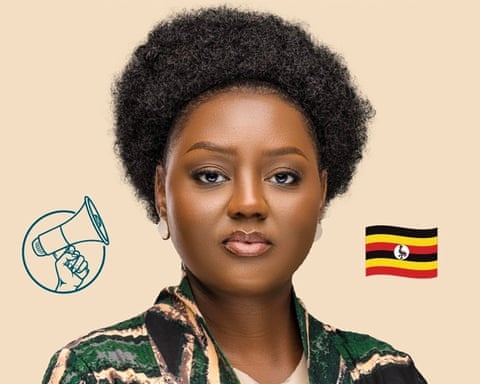
The announcement of Uganda’s presidential candidates for the 2026 election confirmed a stark, if predictable, reality: the ballot will feature only men. This outcome, emerging from a field where over 200 individuals expressed interest, underscores a systemic barrier that continues to reserve the nation’s highest office for a specific demographic.
The argument of a neutral, merit-based process rings hollow in a landscape of profound inequity. When access to resources, political networks, and traditional power bases remains disproportionately limited for women, the notion of a fair contest is a fallacy. The presidency itself is still viewed through a lens of traditional masculinity, often linked to military background or a “strongman” persona, creating an additional, symbolic hurdle.
My decision to enter the race was a direct challenge to this entrenched dynamic. In a country with a significant youth population, political power has stagnated within a narrow, aging elite. The campaign was about more than an election; it was a push to redefine leadership around inclusive governance, transparency, and a foreign policy that serves the nation’s people first. It aimed to shift focus from perpetual incumbency to genuine public service.
However, the campaign trail revealed the deeply ingrained sexism that female aspirants face. Professional interactions were routinely undermined by condescending language—being called “baby” or “darling” by male counterparts. Objectifying comments about appearance from media figures and outright harassment, both in person and online, were commonplace. The digital arena became particularly toxic, with abuse ranging from claims of incompetence based on gender to vicious, fabricated personal smears.
This culture of disrespect is dangerously normalized, sometimes by figures in high authority, sending a clear message that women in the public sphere are open targets for commentary on their bodies rather than their policies. Furthermore, women opposing the state face severe risks, including abduction, torture, and imprisonment, highlighting that political exclusion is enforced by more than just social prejudice.
Failing to secure a place on the ballot was not a defeat but a revelation. Witnessing the machinery of exclusion firsthand has fueled a renewed determination to dismantle it. The experience has catalyzed a broader mission: to build the infrastructure necessary for women to succeed.
This effort includes establishing a foundation dedicated to training and supporting female presidential aspirants across Africa. Concurrently, work is underway to form a new, women-led political movement. Its goal is to create a structured pathway to power, addressing a critical gap: while existing parties may use women to fill quotas, they rarely place them in positions where they can win presidential nominations or make ultimate decisions.
The presidential race was a bruising encounter with a resistant political establishment. But it has crystallized the fight. The objective remains unchanged: to see a woman lead Uganda not from a secondary post, but from the state house. The work to make that possible has only just begun.