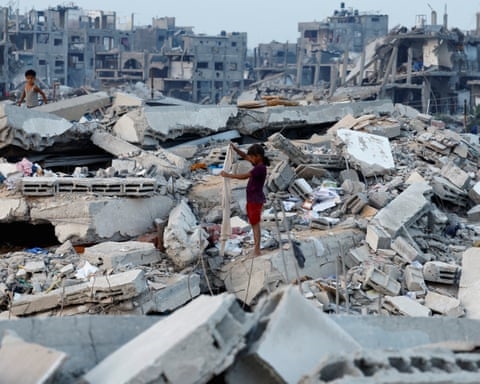
A tentative ceasefire has quieted the guns in Gaza, but it has not brought peace. The pause in fighting, while a desperately needed respite, has revealed a landscape of staggering devastation and a humanitarian crisis that deepens by the day. The fundamental questions about Gaza’s future remain unanswered, and the world’s focus must not waver.
The scale of destruction is almost incomprehensible. Beyond the immediate death toll, thousands are still missing under mountains of rubble that will take years to clear. Critical infrastructure lies in ruins; the education system has been decimated, and newborns enter the world in the wreckage of what were once their homes and hospitals. Aid, though resumed, is a trickle against an ocean of need, with bureaucratic hurdles continuing to obstruct the flow of essential supplies.
The ceasefire itself is fragile, a product of deferred decisions. International discussions are now centered on the complex logistics of a potential stabilization force and the terms of a lasting Israeli withdrawal. However, there is a palpable danger that Gaza could be trapped in a state of perpetual limbo—where active combat ceases but reconstruction is impossible, and a low-level conflict simmers.
While geopolitical calculations, particularly from Washington, will influence the next steps, the ceasefire was not merely a political concession. It was, in significant part, a response to sustained global public outrage over the catastrophic human cost of the war. That pressure must not dissipate. There are already signs that some nations are eager to return to business as usual, potentially easing restrictions that were meant to hold actors accountable.
Ensuring this pause becomes a pathway to a just and durable peace requires unwavering international attention and pressure. The immediate priorities are clear: unfettered humanitarian access, the safe removal of rubble and the missing, and a credible plan to rebuild shattered lives. But these are only the first steps. The people of Gaza need more than survival aid; they need a credible political horizon and the right to a future defined by dignity and self-determination, not by ruin and despair. The world looked away for too long; it cannot afford to do so again.