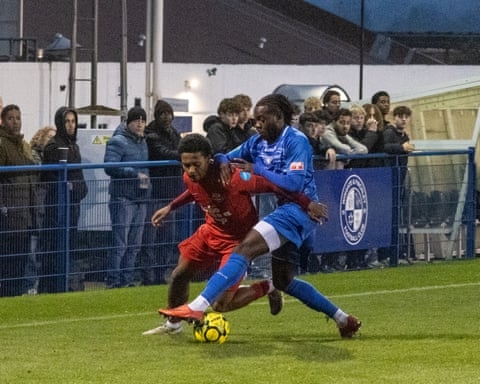
The familiar sights and sounds of a non-league matchday returned to a north London ground this weekend, but a profound sense of loss hung in the air. For Wingate & Finchley FC, their first home game in two months was not a celebration, but a somber step forward following an unthinkable tragedy.
In mid-September, a routine league fixture was horrifically cut short. Chichester City forward Billy Vigar, a 21-year-old former Arsenal academy player, collided with a concrete perimeter wall during play. He was airlifted from the pitch but succumbed to his injuries days later. The incident sent shockwaves through the football community, prompting an immediate safety review by the Football Association focused on pitch boundaries across England’s lower leagues.
This Saturday, the club hosted Lewes under floodlights that pierced the late autumn gloom. The attendance was swelled, a silent testament to the collective mourning within the game. But for those present, the match was secondary.
“It’s as normal a Saturday as it can be,” said a club official before kick-off. “But there is no joy.”
The physical landscape of the Maurice Rebak Stadium had been irrevocably altered. The concrete wall involved in the collision, which had encircled the entire pitch, was gone. In its place stood padded, mesh fencing, providing a safer barrier and increased run-off space for players—changes implemented even though the ground had previously met all regulations.
The emotional landscape, however, remains deeply scarred. In the eight weeks since the accident, Wingate & Finchley had played all their matches away, respectfully stating there was “no appetite” for football at their home. The team embarked on an improbable unbeaten run on the road, a bittersweet footnote to their grief.
The club, like so many at this level, is run by volunteers unaccustomed to the glare of national attention that followed Vigar’s death. Supporters described the surreal experience of seeing their small club’s name dominate headlines for the worst possible reason.
For the players and staff who witnessed the events of that day, the memories are indelible. One supporter likened the sound of the impact to a gunshot, a noise they will “have to live with forever.” Both clubs have provided counselling, and the footballers’ union held support sessions for those affected.
On the pitch, the football has continued with a poignant resilience. Chichester City remarkably did not lose in the games immediately following their teammate’s death. Wingate & Finchley marked their emotional return with a 3-0 victory, extending their own unbeaten streak. Yet, any talk of sporting momentum feels trivial.
The focus, as club officials stress, remains firmly on Vigar’s legacy and the imperative of preventing a repeat. “It’s not about us,” the statement echoed. “It’s about the lasting memory of Billy. The priority is ensuring this never happens again to any player.”
As the final whistle blew on a match that was about far more than the result, the message was clear: the game goes on, but it does so with a heavier heart and a renewed vigilance, forever changed by the loss of a young life.